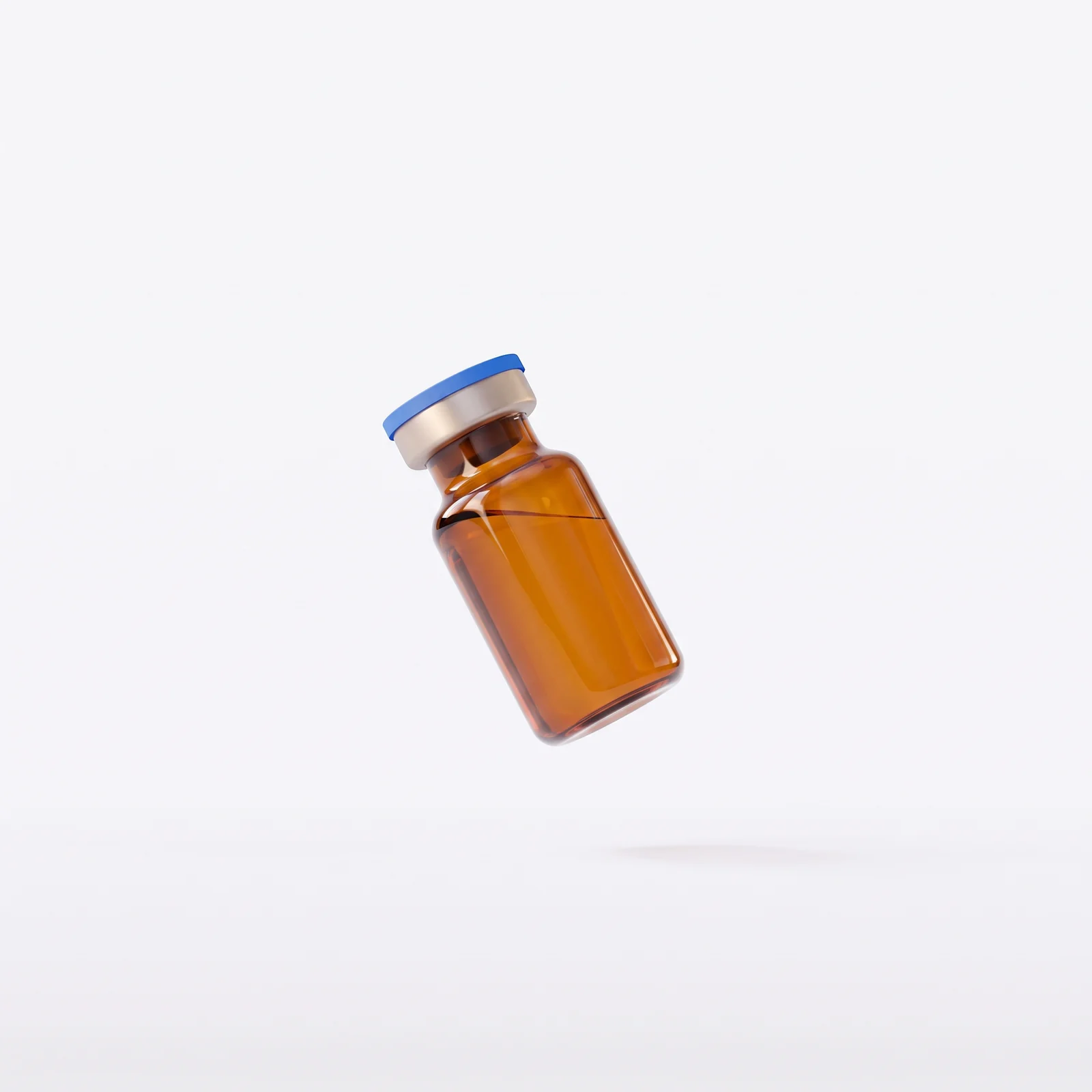
 Hormone care
Injectable 200mg/mL (1mL & 5mL)
Testosterone Cypionate
The most common injectable TRT ester, for restoring testosterone.
Explore treatment
Hormone care
Explore provider-guided options for women and men. Your symptoms, history, goals, and relevant lab work guide every recommendation.
Explore treatment optionsHormone careInjectable 200mg/mL (1mL & 5mL)
The most common injectable TRT ester, for restoring testosterone.
Explore treatment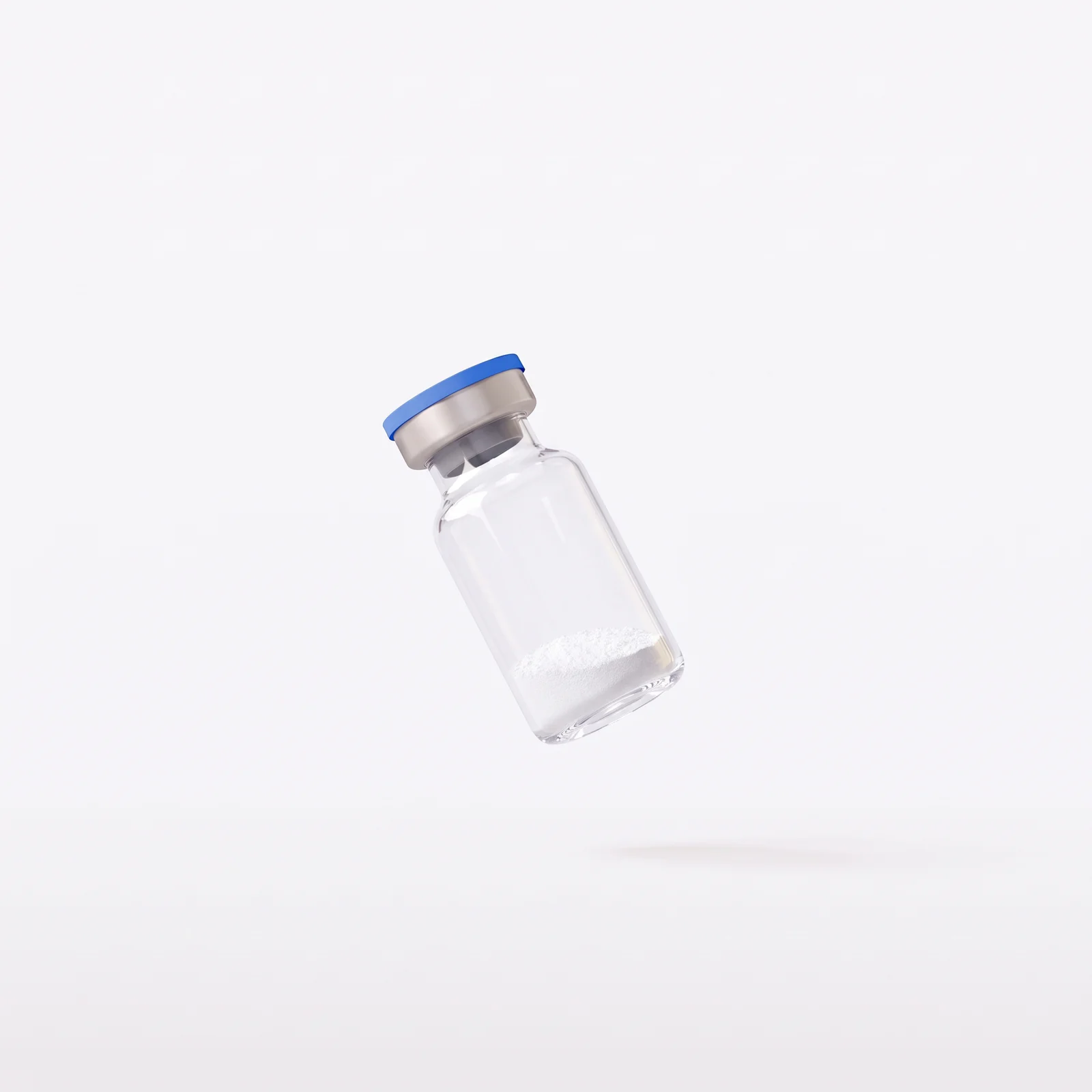 Hormone care
Injectable PF 2000mcg
Available as an injectable or rapid-dissolve tablet (RDT) with vitamin B12.
Explore treatmentHormone careInjectable Cypionate/Propionate/Enanthate 100/50/100mg/mL
A compounded blend of esters for smoother, longer coverage.
Explore treatmentHormone careInjectable 200mg/mL
A longer-acting single-ester option for TRT.
Explore treatment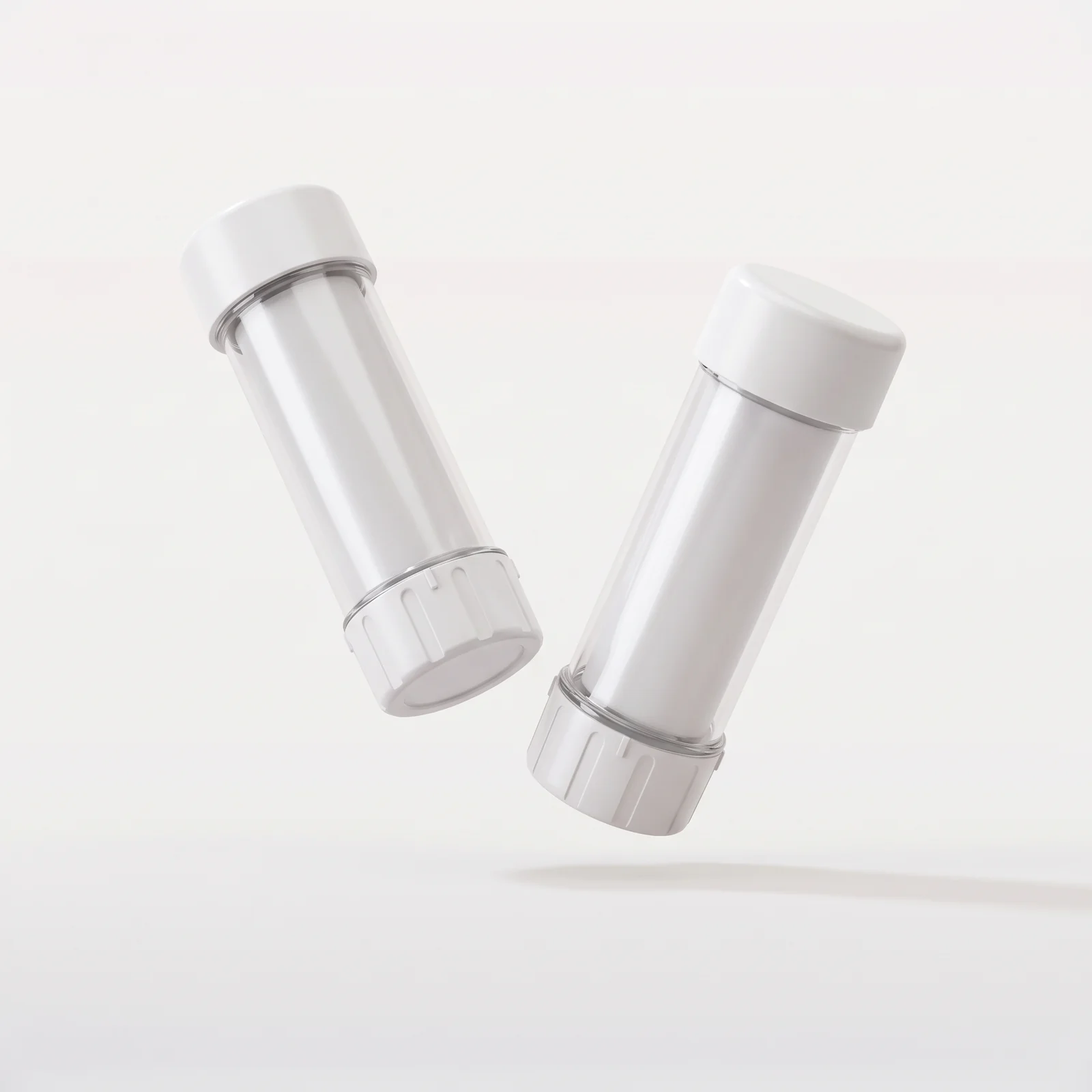 Hormone care
Cream 5–200mg/mL
Topical testosterone for steady levels without needles.
Explore treatment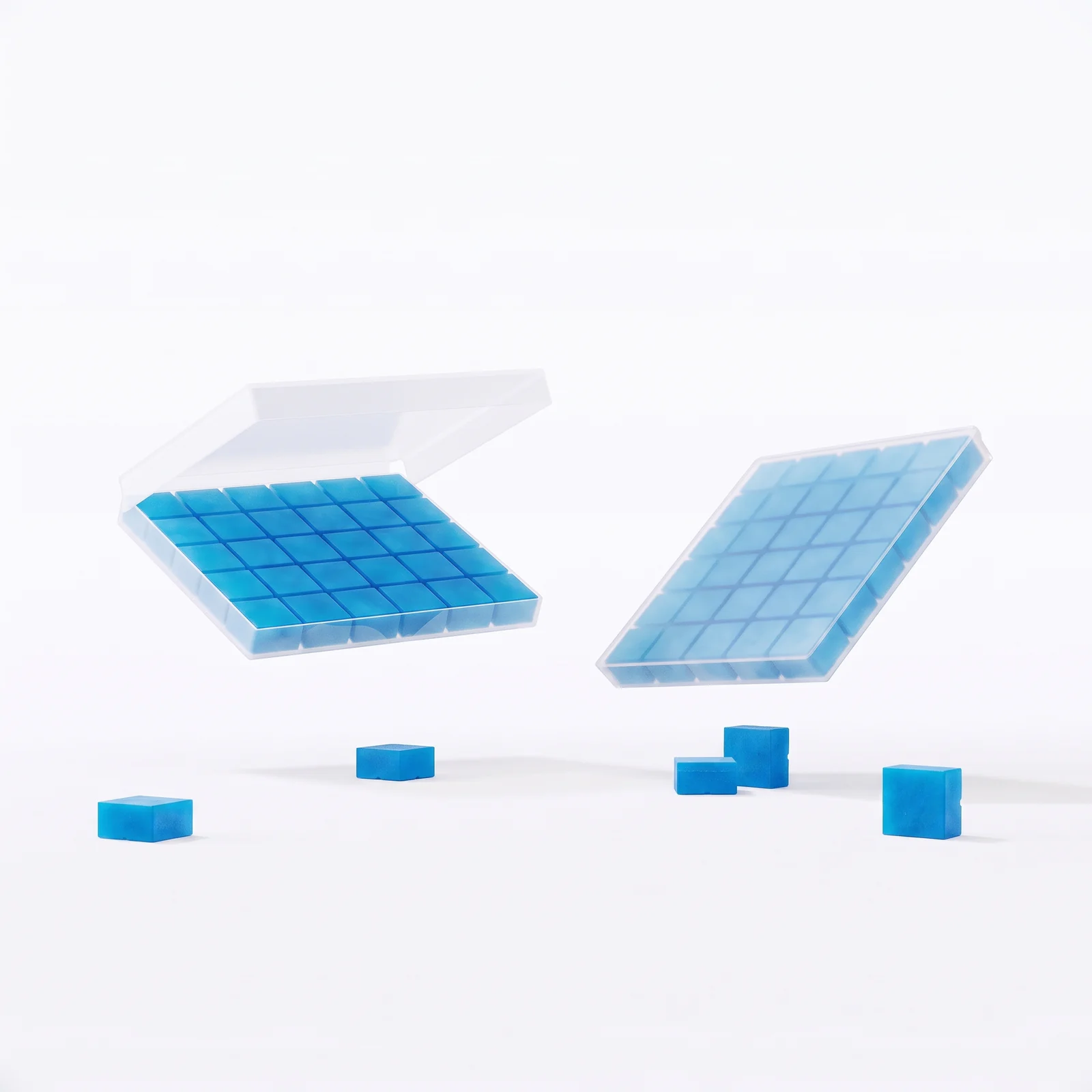 Hormone care
Troche 5–150mg
A dissolvable lozenge for TRT without injections.
Explore treatment Hormone care
Capsule 100–200mg
Oral testosterone in a once-or-twice-daily capsule.
Explore treatment Hormone care
Tablet 0.25mg
An aromatase inhibitor that keeps estradiol in a healthy range.
Explore treatmentHormone careTablet 25mg
An aromatase inhibitor option for managing estrogen.
Explore treatmentHormone careCapsule 12.5mg
Raise testosterone without shutting down your own production.
Explore treatmentHormone careCapsule 51mg
A classic oral option to raise testosterone and support fertility.
Explore treatment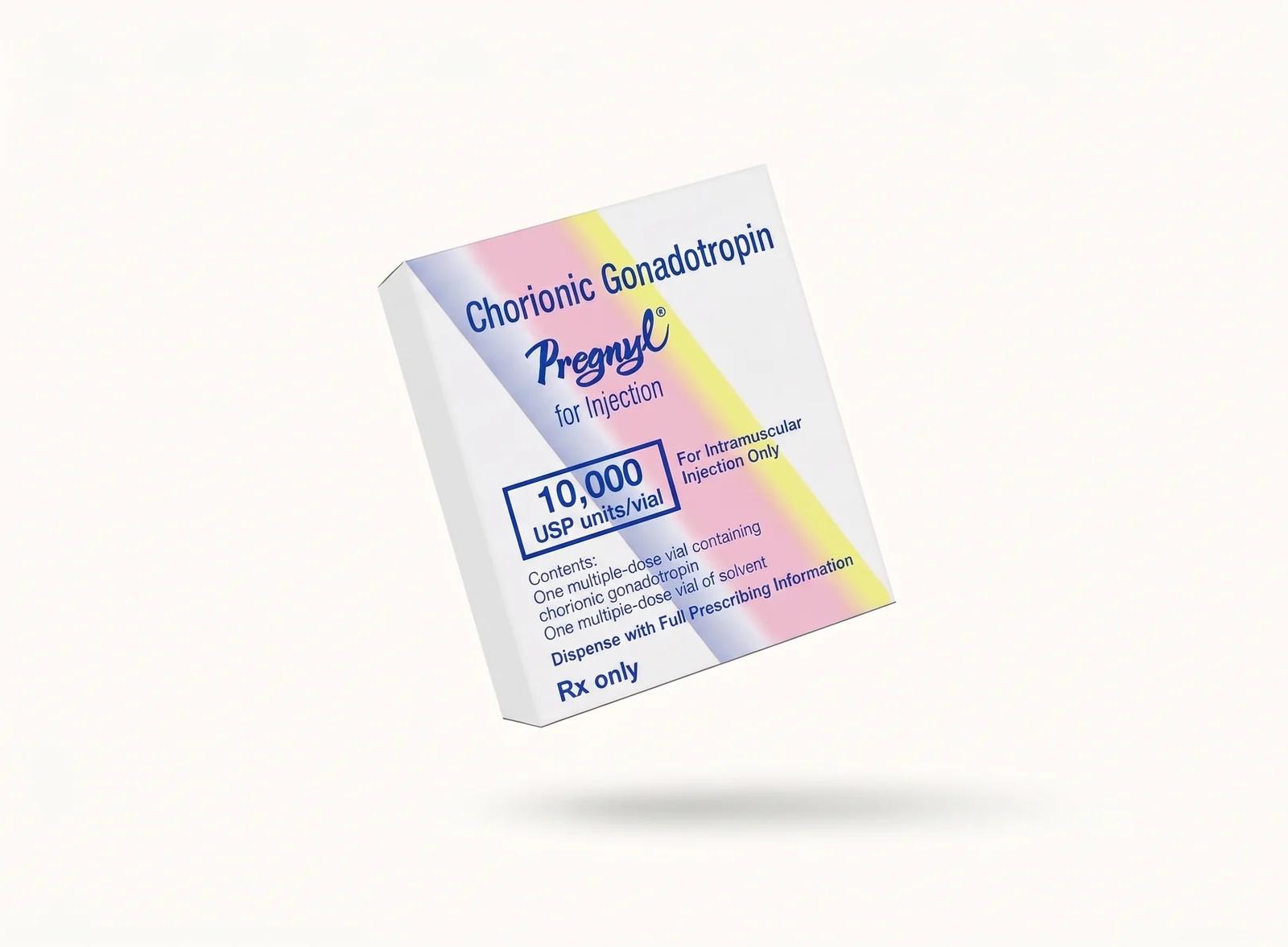 Hormone care
Vial 10,000 units
hCG to maintain testicular function and fertility during TRT.
Explore treatmentHormone careTablet 20mg
A SERM used for estrogen-related side-effect management.
Explore treatmentHormone careVial 5.8mg
Pharmaceutical-grade growth hormone, clinically monitored.
Explore treatmentHormone careInjectable 100mg/mL (1mL & 5mL)
Low-dose injectable testosterone, the women's TRT staple.
Explore treatmentHormone careCapsule 25/50/100/200mg
Hormone therapy that supports sleep, mood, and cycle balance.
Explore treatment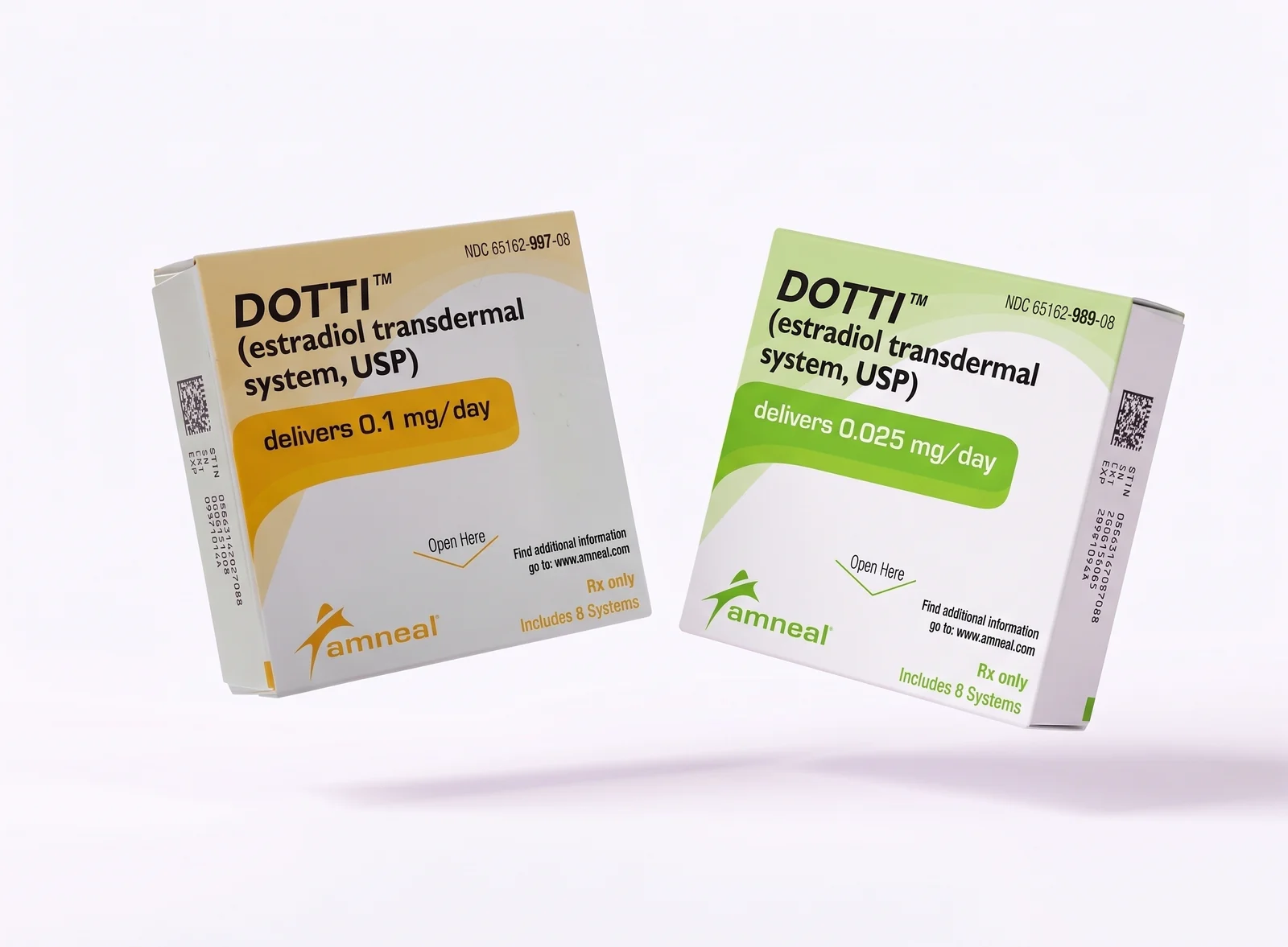 Hormone care
Patch 0.025/0.0375/0.05/0.1mg per 24h
Estradiol delivered steadily through a transdermal patch.
Explore treatmentHormone careCapsule 50mg/100mg
Support for the hormones your body converts as it needs.
Explore treatmentHormone careCapsule 50mg
A DHEA metabolite used for metabolic support, not hormones.
Explore treatment