Semaglutide
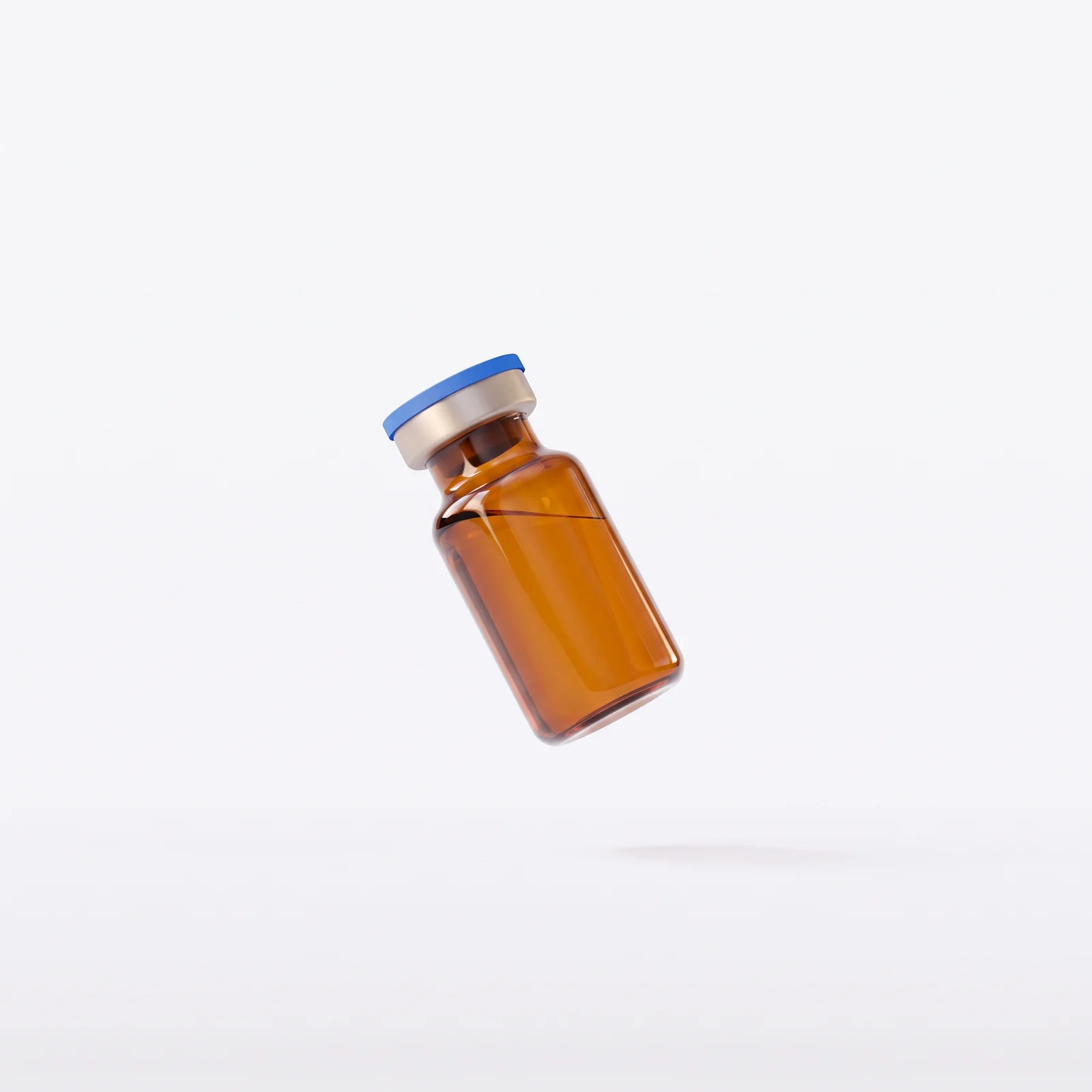
Compounded semaglutide with B12, the same active ingredient as Ozempic® and Wegovy®. One vial is one month.
Pharmacy shipping is included in the displayed price for one order.
What semaglutide can help with
Make hunger and cravings easier to manage.
Semaglutide can help reduce hunger, increase fullness and make cravings easier to manage. With support from your IAM care team, those changes can make working toward your weight goals feel more manageable.
Help hunger feel more manageable
Semaglutide works with the signals that regulate appetite, helping reduce hunger and the urge to eat. When hunger takes up less of your attention, it can be easier to follow the eating plan you choose with your care team.
Feel satisfied with smaller portions
Feeling full and satisfied after a meal can help smaller portions feel like enough. Studies of semaglutide found greater fullness and lower food intake, alongside reduced hunger.
Get more control over cravings
Food cravings can make eating changes harder to stick with. Semaglutide can reduce how often cravings show up and how strong they feel, helping you feel more in control around food.
Support meaningful weight progress
In the STEP 1 clinical trial, adults taking once-weekly semaglutide lost an average of 14.9% of their starting body weight over 68 weeks, alongside changes to eating and activity. Your IAM care team provides follow-up to help you work toward your own weight and health goals.
How it helps with appetite
GLP-1 is a natural hormone involved in appetite and fullness. Semaglutide mimics its action and activates GLP-1 receptors involved in appetite regulation, helping reduce hunger and food intake. It gives your weight-care plan another way to work with your body's appetite signals.
Research and product information
STEP 1 studied once-weekly semaglutide 2.4mg in adults with obesity, or overweight with a weight-related condition, without diabetes. IAM offers compounded semaglutide with B12, which is not FDA-approved; the cited studies did not test IAM's formulation.
- Semaglutide: appetite, fullness, cravings and control of eating
- Wegovy: prescribing information and weight-management studies
- STEP 1: semaglutide in adults with overweight or obesity
Sources checked .
Patient reviews
What patients say about IAM.
The weight management program taught me sustainable habits.
I’ve maintained my 30-pound weight loss for over a year now.
After struggling with weight for years, the Semaglutide program gave me the jumpstart I needed.
I’ve lost 35 pounds and feel incredible.
The comprehensive weight loss program exceeded my expectations.
I’ve learned sustainable habits and lost 28 pounds safely.
Written by IAM patients in their own words, with only spelling corrected. Individual results vary.
What's in each plan
Starter vial
- Semaglutide/B12 2.5mg/1.25mg, 1mL vial
- Syringes and alcohol swabs
- Free video consult and follow-up
- Patient portal messaging
Standard vial
Best value- Semaglutide/B12 5mg/2.5mg, 2mL vial
- Syringes and alcohol swabs
- Free video consult and follow-up
- Patient portal messaging
What's included in every program
Provider review
A free video visit with a licensed provider, who reviews your history and labs before anything is prescribed.
Medication and supplies
Your medication plus syringes, alcohol pads and a mixing kit when one is needed. No pharmacy runs.
Ongoing support
Message your care team through the portal whenever you have a question about your plan.
Before you start
Who should not take this
Do not take this medicine if you or anyone in your family has had medullary thyroid cancer, or multiple endocrine neoplasia type 2 (MEN2). In animal studies this class of medicine caused thyroid tumours. Whether it does the same in people is not known, which is why the approved versions of it carry a boxed warning, and why we ask before prescribing.
Also tell us before you start if you have ever had pancreatitis; are pregnant, breastfeeding or planning a pregnancy; have had a severe allergic reaction to a GLP-1 medicine; take insulin or a sulfonylurea for diabetes; have kidney problems or a history of diabetic retinopathy; or have gastroparesis.
If you become pregnant while using semaglutide for weight management, stop treatment and contact your prescriber.
What to expect
Most people feel some nausea, and often constipation or diarrhoea, strongest in the first weeks and after each dose increase. It usually settles. The dose is stepped up slowly for exactly this reason, and going slower is always an option.
Reduced appetite can make it harder to eat enough. Discuss adequate nutrition, protein and resistance exercise with your care team to support muscle health. Vomiting or diarrhea can cause dehydration and kidney problems. Keep up fluids as your health allows, and contact your care team if you cannot keep fluids down.
Tell us straight away if
You get severe stomach pain that does not go away, especially with vomiting. This can be pancreatitis and needs looking at the same day.
You find a lump in your neck, become hoarse or have trouble swallowing; you have pain under your right ribs, fever, or yellowing of the skin or eyes; or you cannot keep fluids down.
New vision changes need prompt medical assessment. Trouble breathing or swelling of the face or throat needs emergency care.
Follow your pharmacy instructions
Confirm the prescribed amount, vial concentration and syringe measurement with your dispensing pharmacist before the first injection and after a change of product. Milligrams, milliliters and syringe units are different measurements. Use the instructions supplied for your current vial.
Before any surgery or procedure with sedation
Tell the anesthesia and procedure teams that you take a GLP-1 medicine, including before an endoscopy or dental procedure with sedation. Slower stomach emptying can raise aspiration risk. Many patients can continue treatment, while others need an adjusted plan based on symptoms and procedure risk. Ask the team planning your procedure for instructions instead of holding or restarting doses on your own.